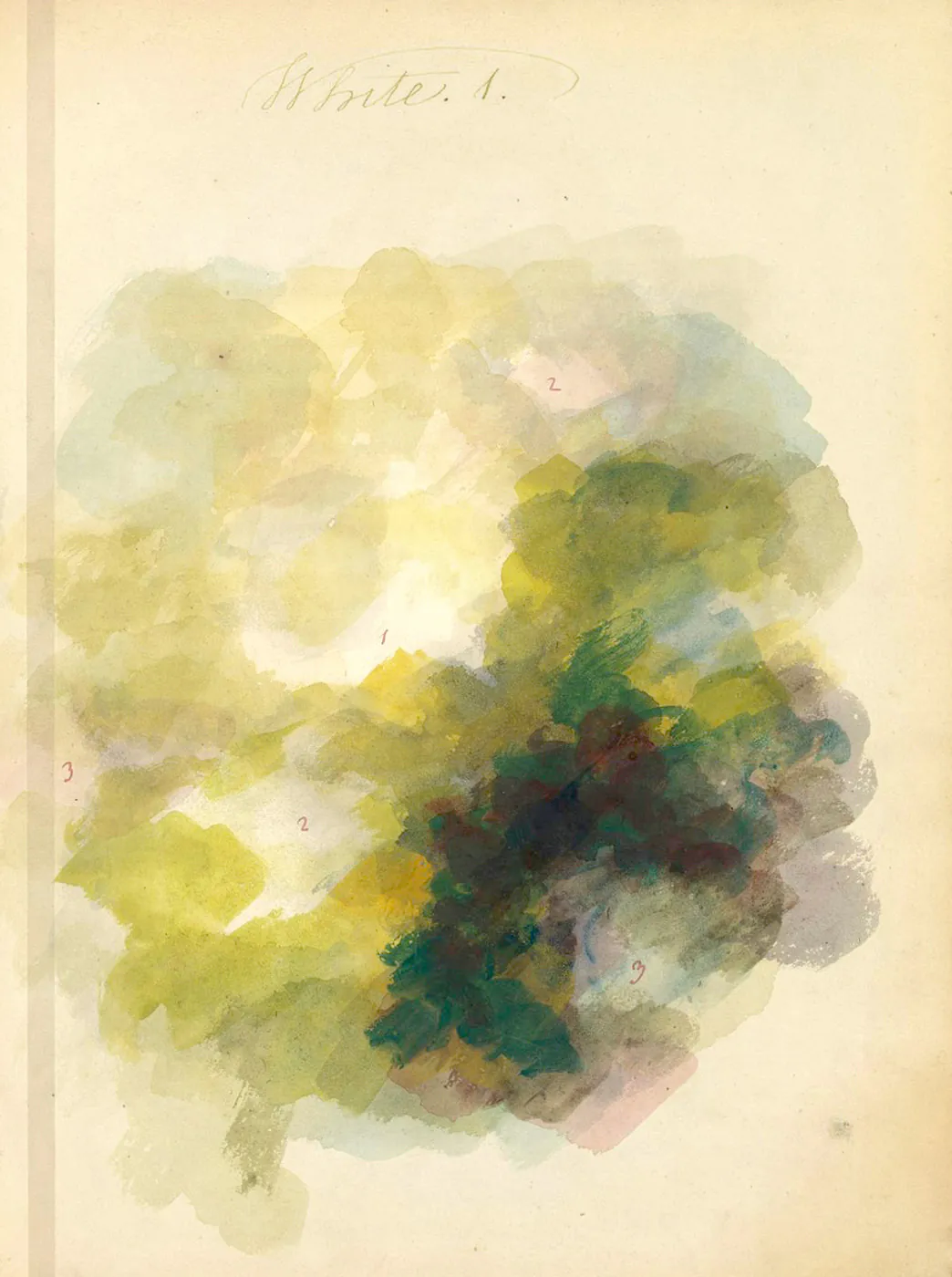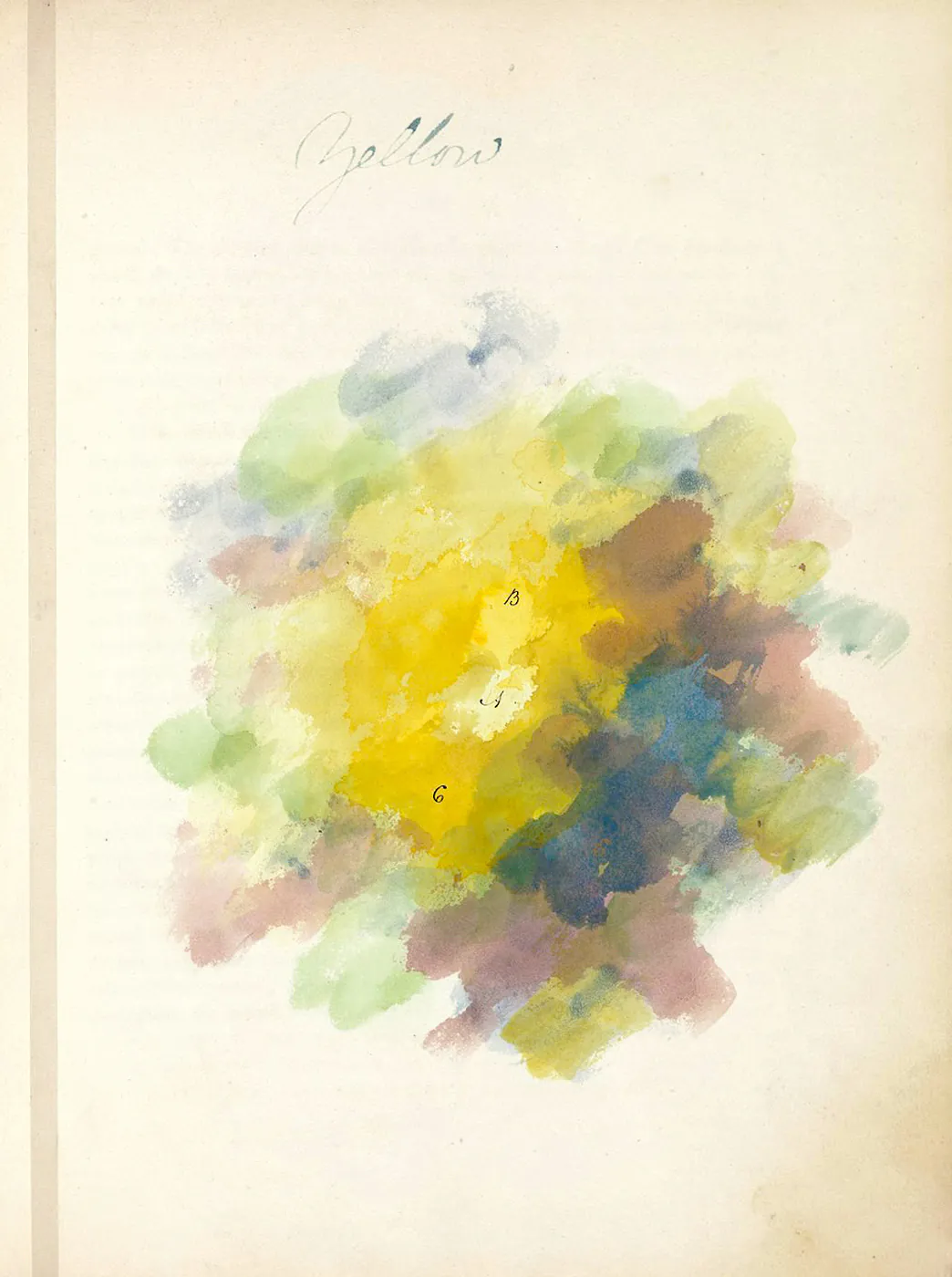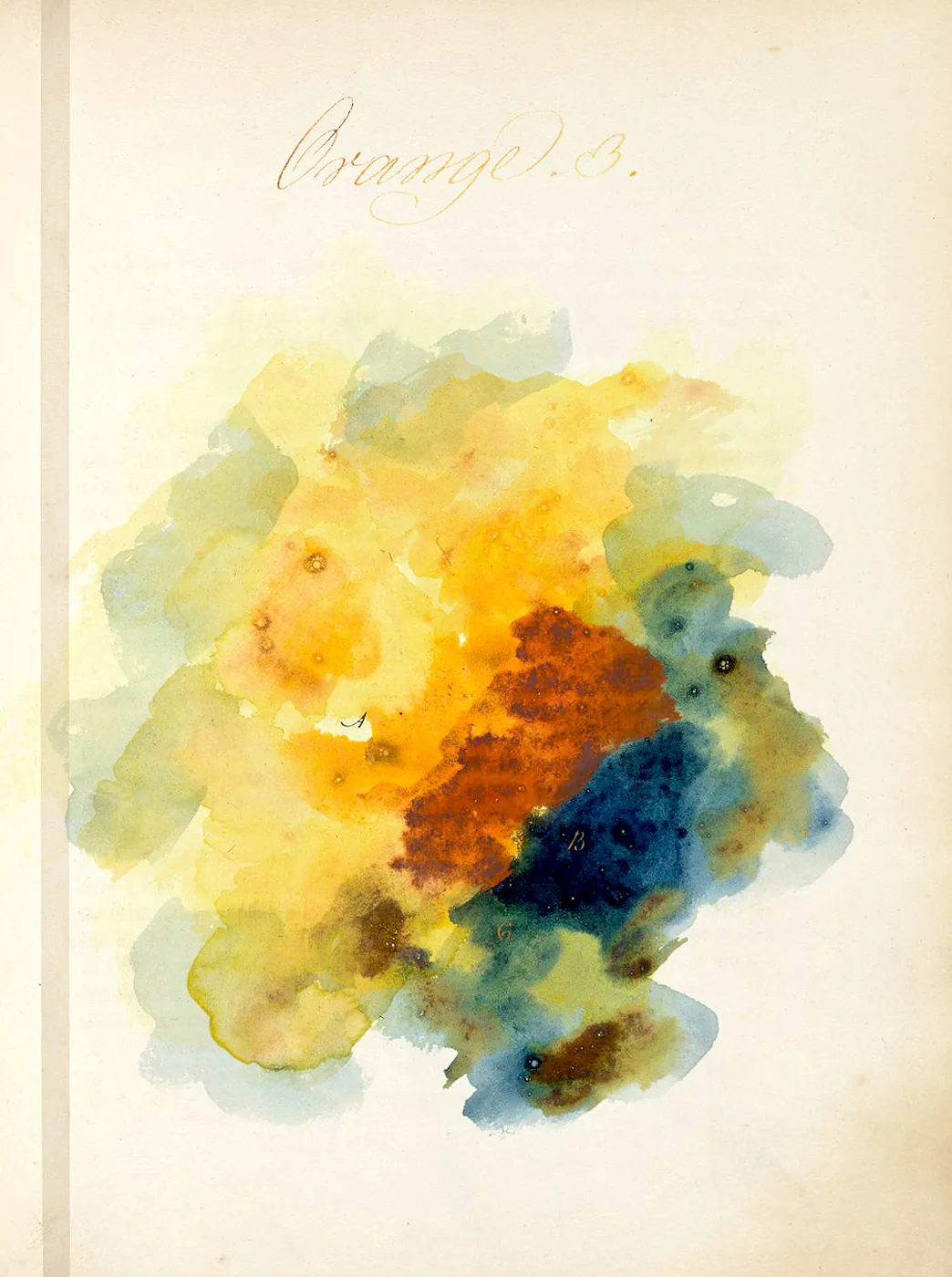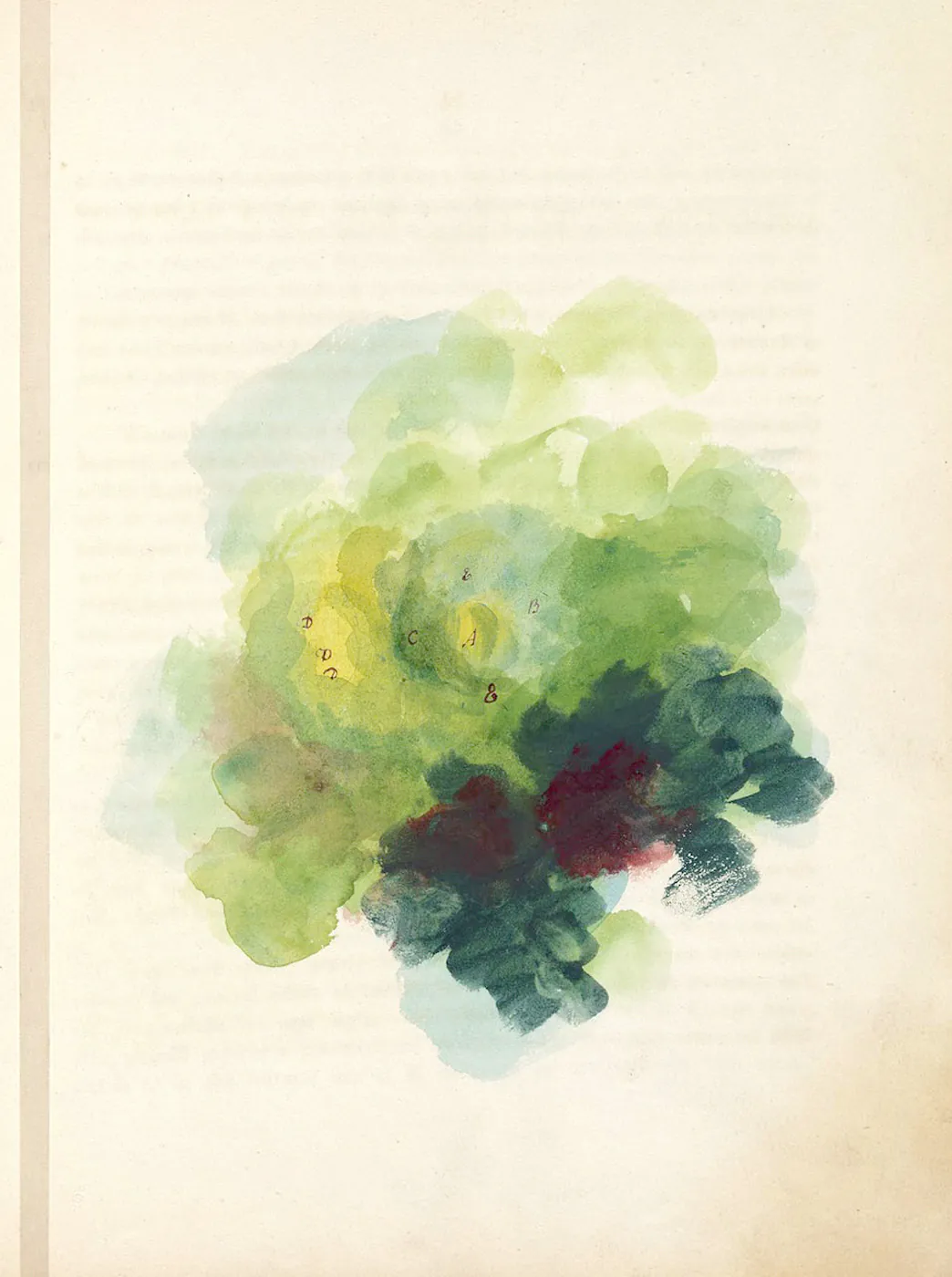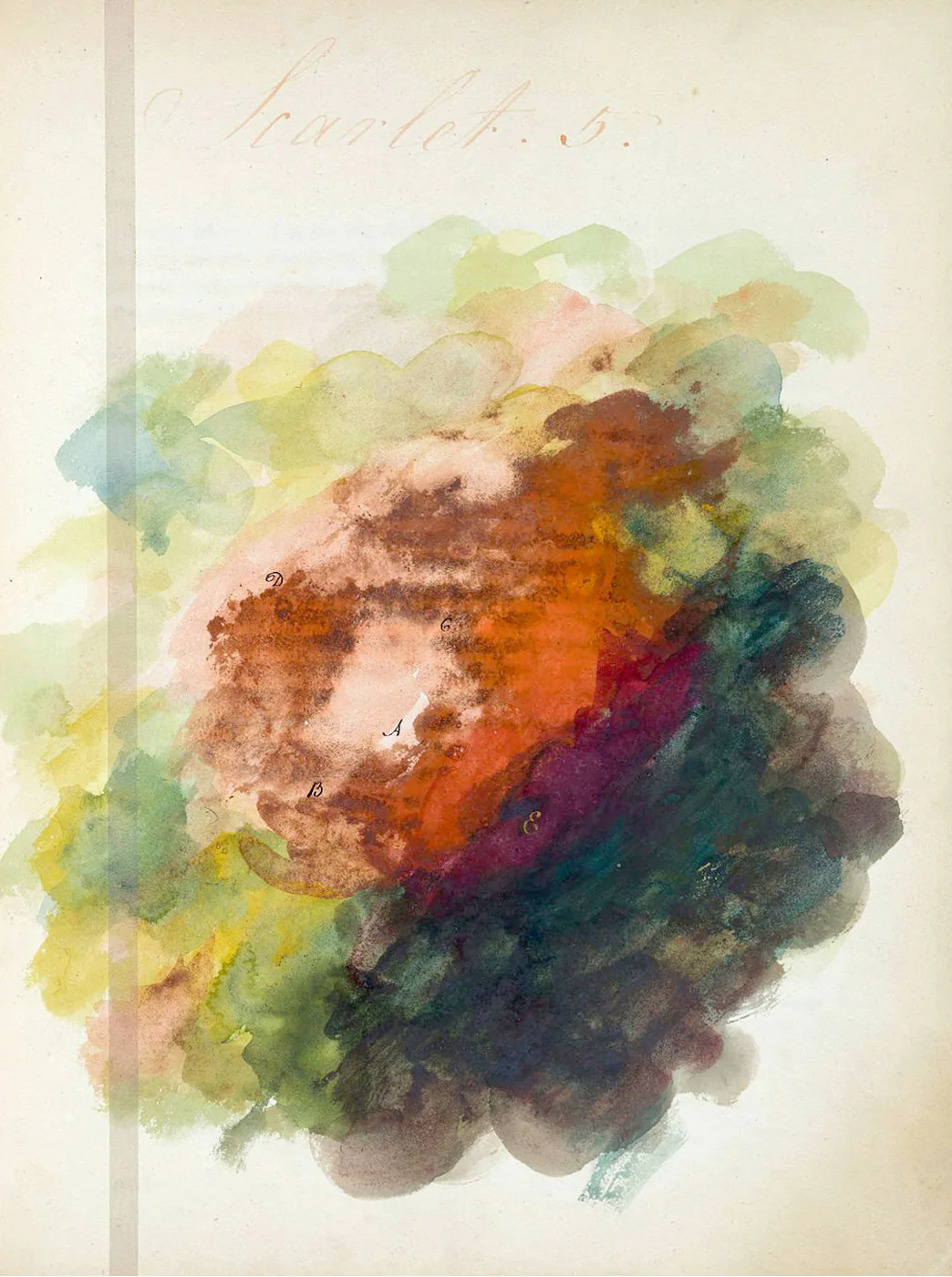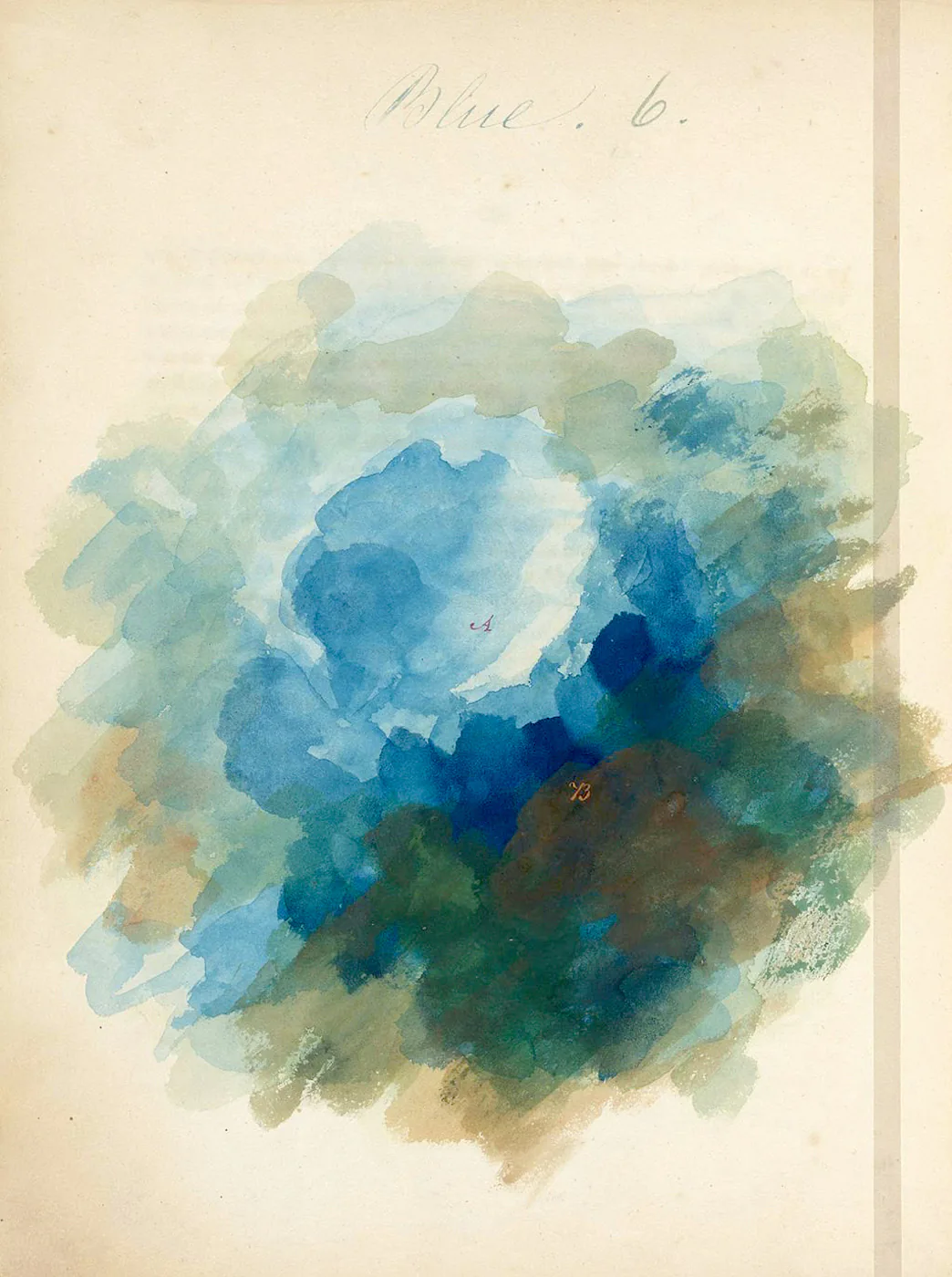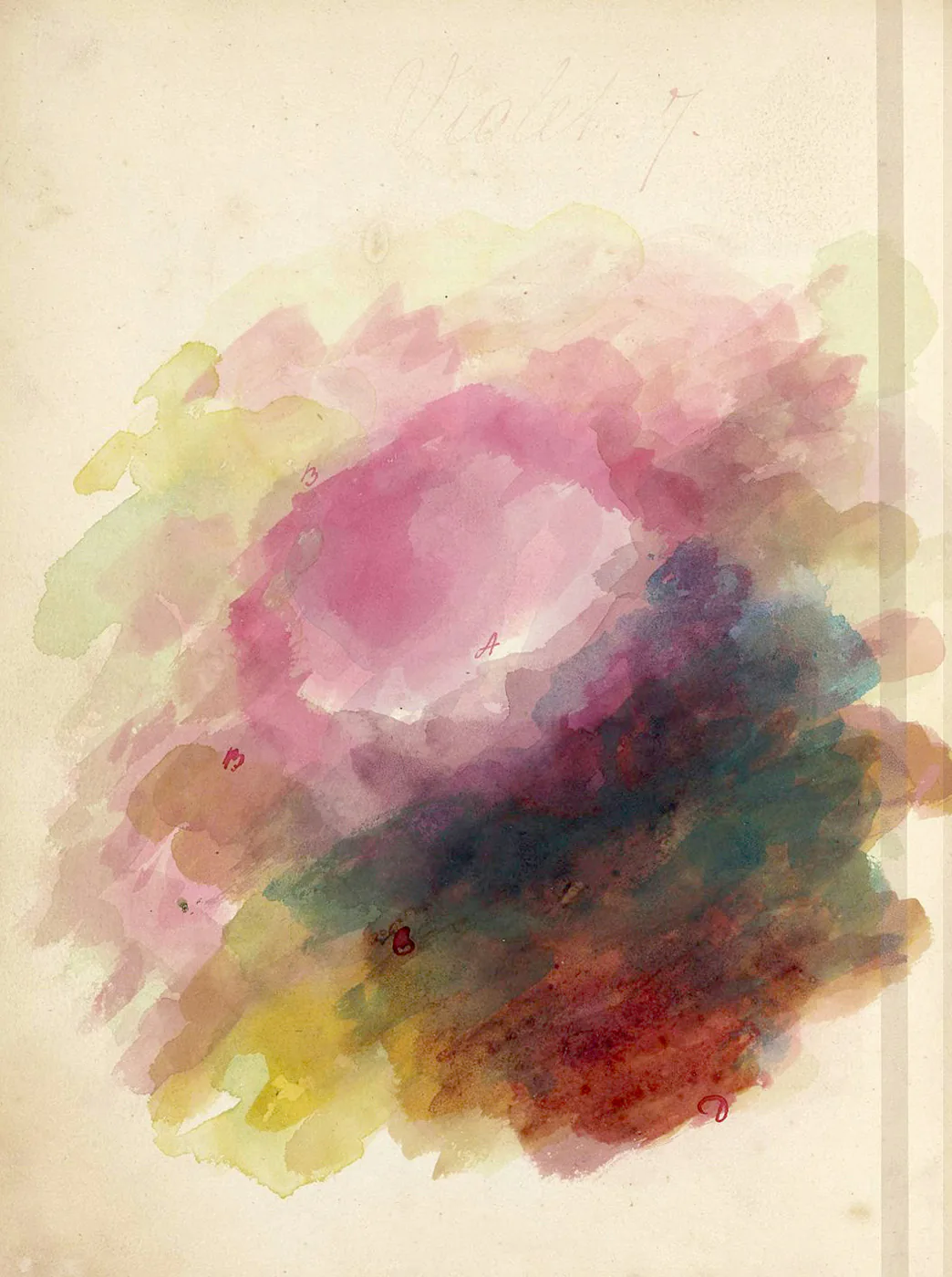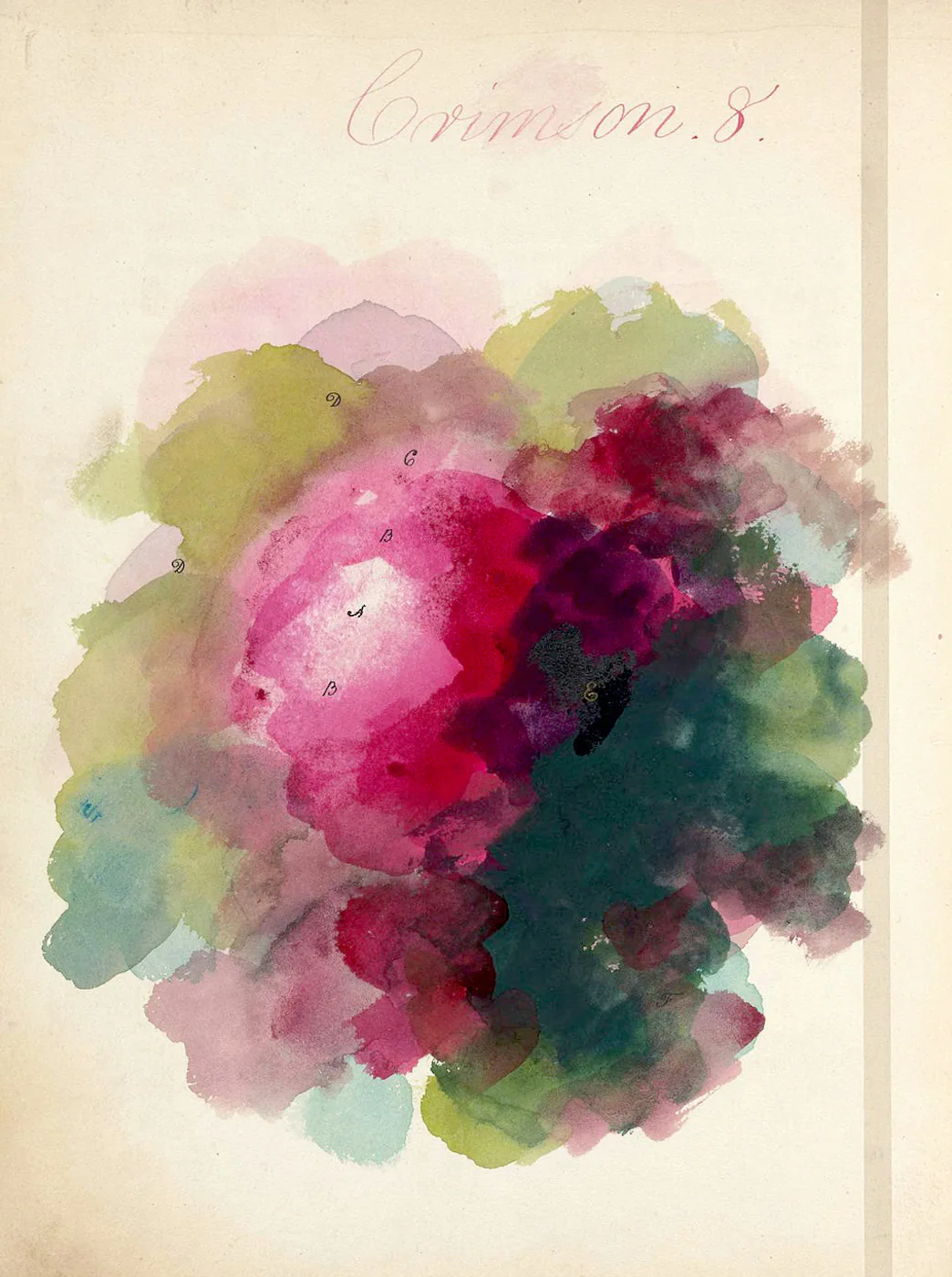


Mary Gartside’s “An Essay on a New Theory of Colours” is the expanded edition of her earlier work, “An Essay on Light and Shade” (1805). This book, regarded by colour historian Alexandra Loske as “one of the rarest and most unusual books about colour ever published”, appears at first to be a typical instructional manual for artists. Gartside, a watercolour teacher and botanical painter who exhibited at the Royal Academy in 1781, used a profound intellectual approach that set her apart from her peers. Her work is remembered as a significant example of early nineteenth-century colour treatises, inspired by the availability of new pigments.
Gartside’s Essay explores the nuances between primary colours, targeting both students and “philosophical readers” with discussions on tint, warmth, transformation, and luminance. She references Isaac Newton’s prismatic refraction (think Pink Floyd’s The Dark Side of the Moon album cover) to explain the phenomenon to those unfamiliar with the Prismatic Spectrum and critiques eighteenth-century theories by Gerard de Lairesse and William Herschel, including the latter’s study on the order of colours. Gartside’s conclusions on colour combinations, the significance of light and shade, and the viewer’s perception preceded similar findings by James Sowerby in 1809 and Goethe in 1810. Her hand-coloured illustrations in the Essay are considered early examples of abstraction in painting.
Little is known about Gartside’s life. Loske notes she was among the few nineteenth-century women to write theoretical treatises on colour, predating Emily Noyes Vanderpoel’s “Color Problems” (1902) by nearly a century. Art historian Ann Bermingham suggests that the modesty of her genre allowed Gartside to explore scientific ideas without criticism, despite disguising her work as a how-to guide. A revealing footnote in her Essay suggests she was aware of the philosophical depth needed to benefit from observing nature, though she modestly claimed her limited exposure to masterworks hindered her.
In her botanical illustrations, however, Gartside’s approach was far from ignorant or derivative. Her watercolours, described as “compact blots of colours,” conjure vivid images of flowers and plants, like hydrangeas through a mystical prism. These illustrations, intended to stimulate the viewer’s imagination, showcase her unique and innovative style.