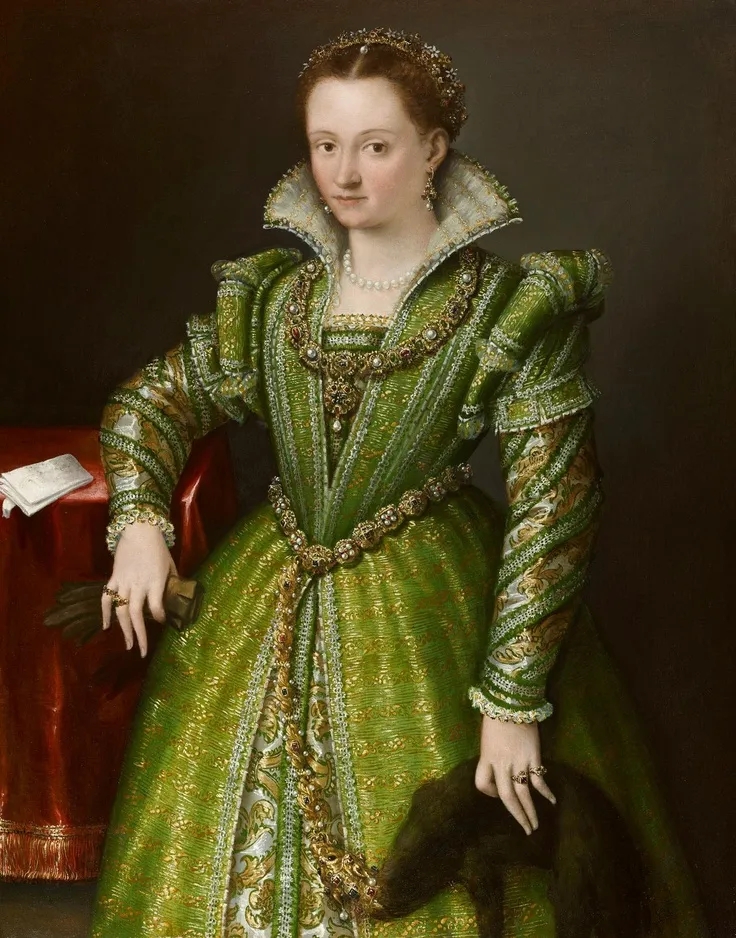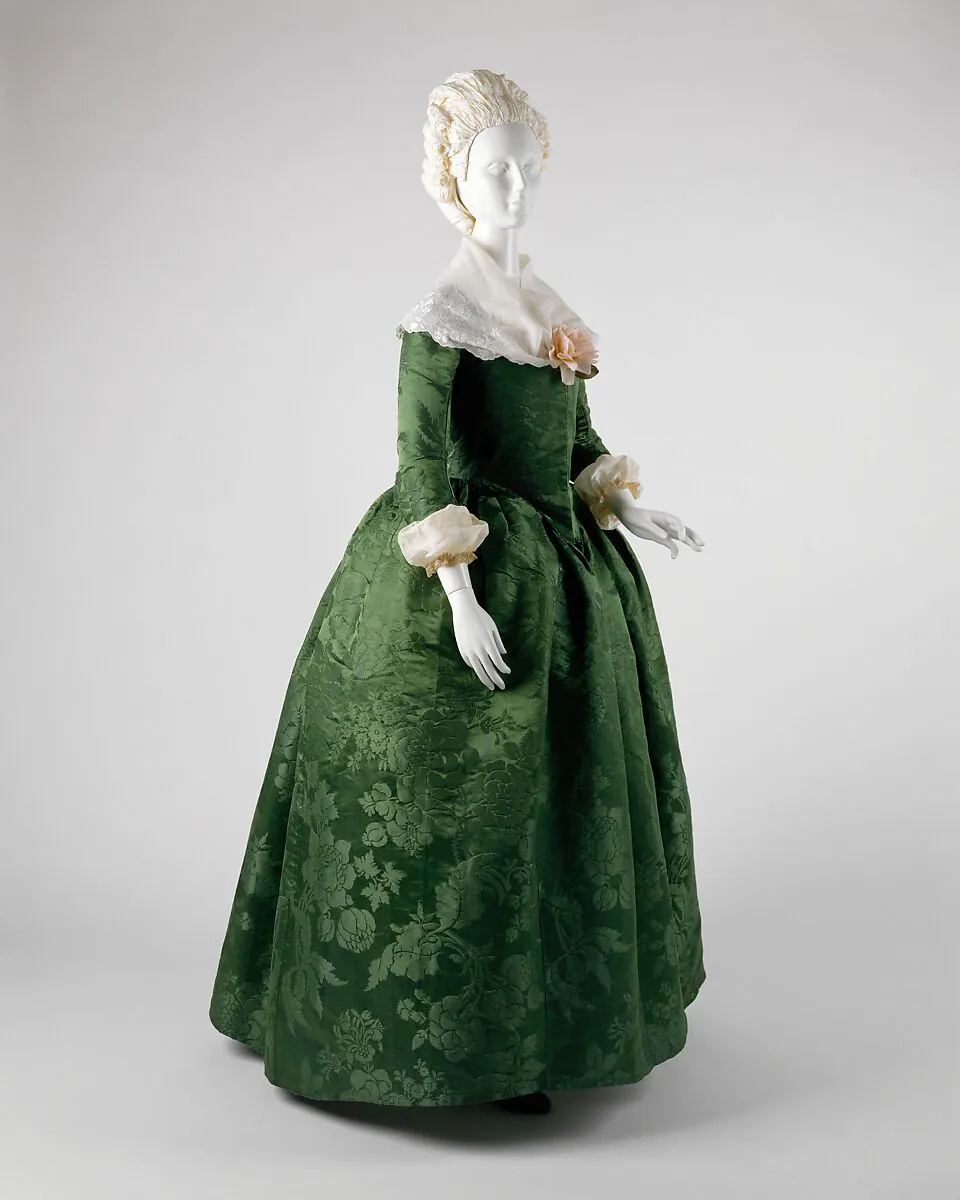


Step into the vibrant world of Scheele’s Green, a dazzling hue that revolutionised art and design in the late 18th century. Discovered by the ingenious Swedish chemist Wilhelm Scheele in 1775, this bright yellow-green pigment quickly became the darling of artists and decorators, adding a pop of colour to paintings, wallpapers, and fabrics.
Scheele’s Green was nothing short of a miracle for its time. Created by combining sodium carbonate, arsenic trioxide, and copper sulphate, this new pigment offered a more stable and vivid green than its predecessors, verdigris and malachite. Its striking vibrancy caught the eye of creatives everywhere, sparking joy and inspiration wherever it was used.
Imagine the excitement of artists as they unveiled this new hue on their palettes, transforming their work with a fresh, lively green that seemed to leap off the canvas. Interiors became more dynamic and life more colourful as Scheele’s Green adorned walls, dresses, and artworks, bringing a touch of magic to everyday life.
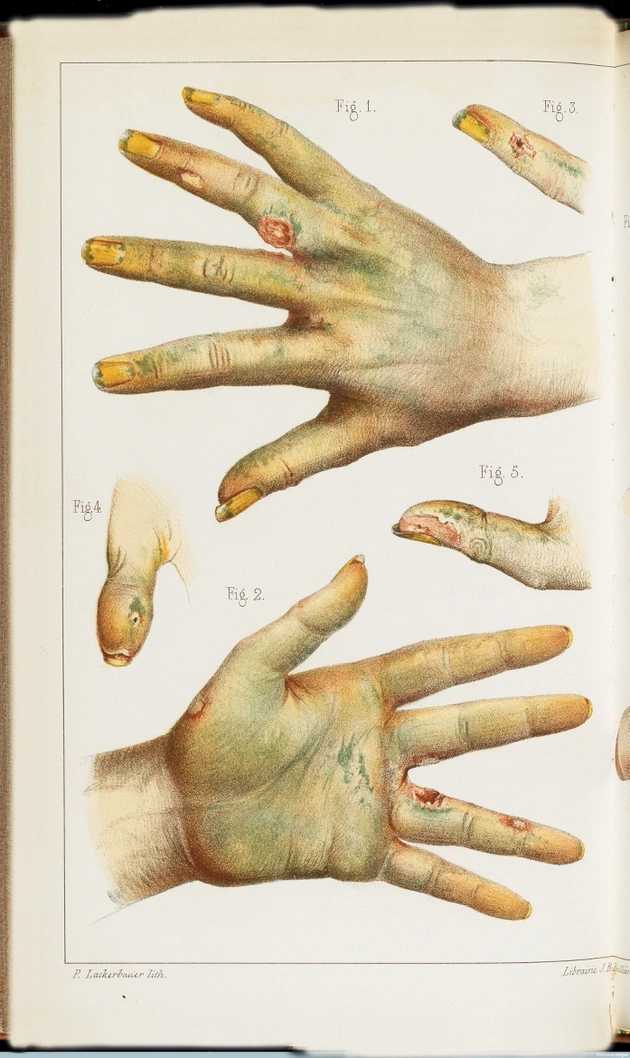
Yet, behind the enchanting allure of Scheele’s Green lay a hidden danger. The arsenic in the pigment released toxic vapours, particularly in damp conditions, leading to health problems for those who worked with or were surrounded by this beautiful but perilous colour. It was a dark twist in an otherwise brilliant story, highlighting the unforeseen risks of innovation.
As the 19th century progressed, safer alternatives like Paris Green and emerald green emerged, allowing artists to continue their colourful explorations without the same dangers. Scheele’s broader impact on chemistry, including the discoveries of oxygen, chlorine, and glycerine, solidified his legacy as a pioneering scientist. Today, Scheele’s Green is remembered both for its vibrant contribution to the world of art and its cautionary tale of beauty and danger. It serves as a reminder of the importance of understanding the materials we use and the hidden costs of their brilliance.
Wilhelm Scheele, though he did not live to see the full impact of his discovery, remains a celebrated figure in both chemistry and art history. His creation of Scheele’s Green stands as a testament to the enduring power of innovation and the colourful journey of scientific and artistic expression.